
Evidence for better maternal and child health. BBN is an active partner in research and intervention collaborations in the field of maternal and child health in India.
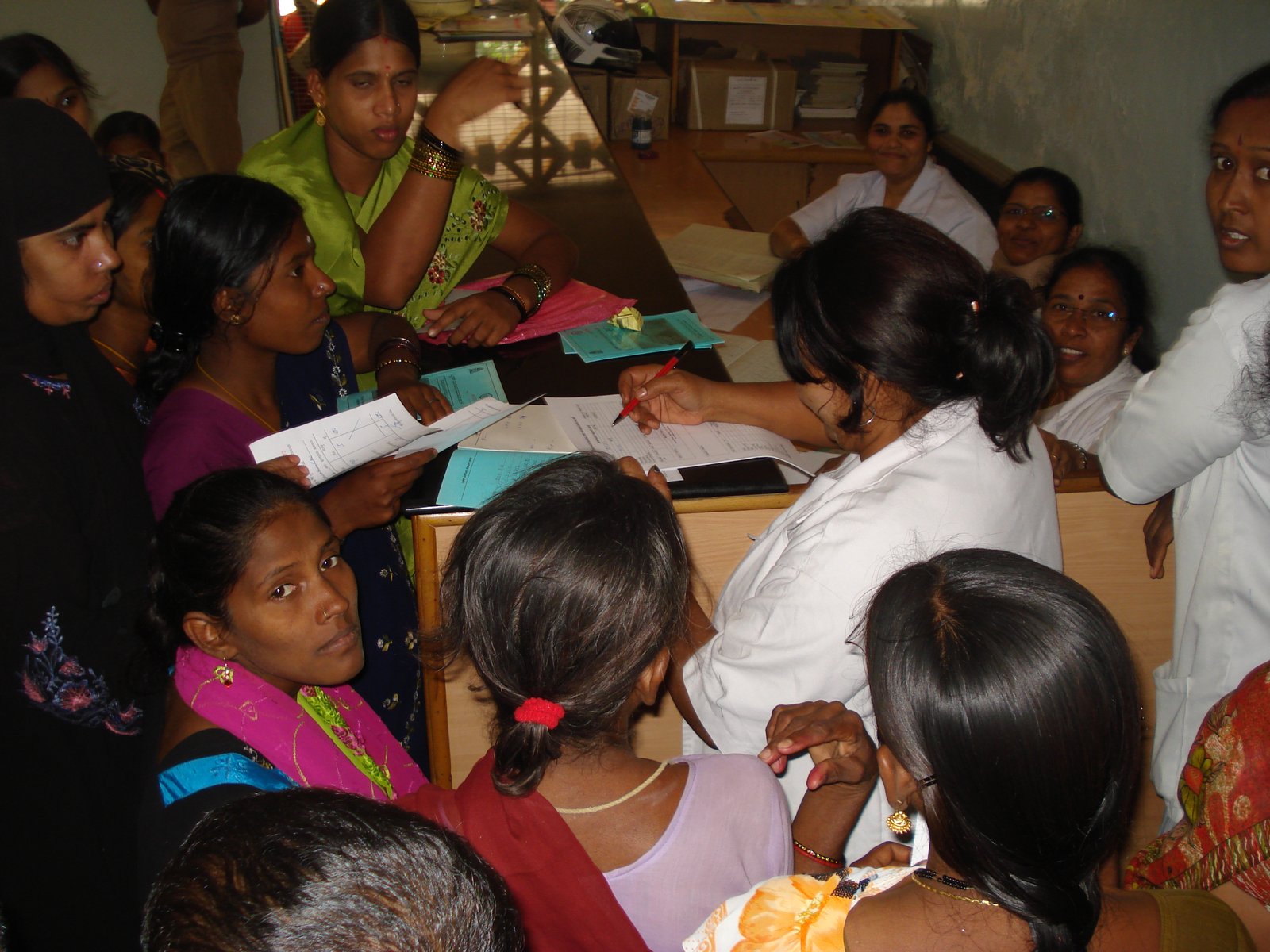
A study from Southern Karnataka.
For this study we conducted interviews with 320 women in the postpartum ward of Vani Vilas hospital who had planned on birthing at another facility, but ended up having their babies at Vani Vilas. This study resulted in a few key findings: 95% of the women made a decision to transfer to the tertiary hospital after the onset of labour, referrals were made for medical as well as non-medical reasons, and 35% of the women had to take loans to cover the expenses of childbirth.
Nagavarapu S, Shridhar V, Kropp N, Murali L, Balachandra SS, Prasad R, Kilaru A. Reasons for obstetric referrals from community facilities to a tertiary obstetric facility: A study from Southern Karnataka. J Family Med Prim Care. 2019 Jul;8(7):2378-2383. Read the paper.
Formative research to reduce unnecessary caesarean sections (India). This UCLan-led study sought the views of stakeholders (women, healthcare professionals and healthcare administrators) about the readability and acceptability of the 12 research modules, in India, before the final version of the formative research generic protocol is agreed. BBN conducted field interviews, recorded and translated results and contributed to writing the report which was submitted to WHO. Bohren MA, Opiyo N, Kingdon C, Downe S, Betrán AP. Optimising the use of caesarean section: a generic formative research protocol for implementation preparation. Reprod Health. 2019;16(1):170. Read the protocol.
Wearable technologies for positive pregnancy lifestyles. We have undertaken high quality, qualitative research on wearable technologies, assessing acceptability of remote sensing devices. Focus group discussions explored the acceptability of a mobile monitoring system for use in women’s solidarity groups to measure biomarkers in pregnancy.
Women’s solidarity groups and ASHA workers. Focus group discussions to explore the barriers faced and solutions generated by marginalised women accessing maternal and newborn care, and the ASHAs serving them.
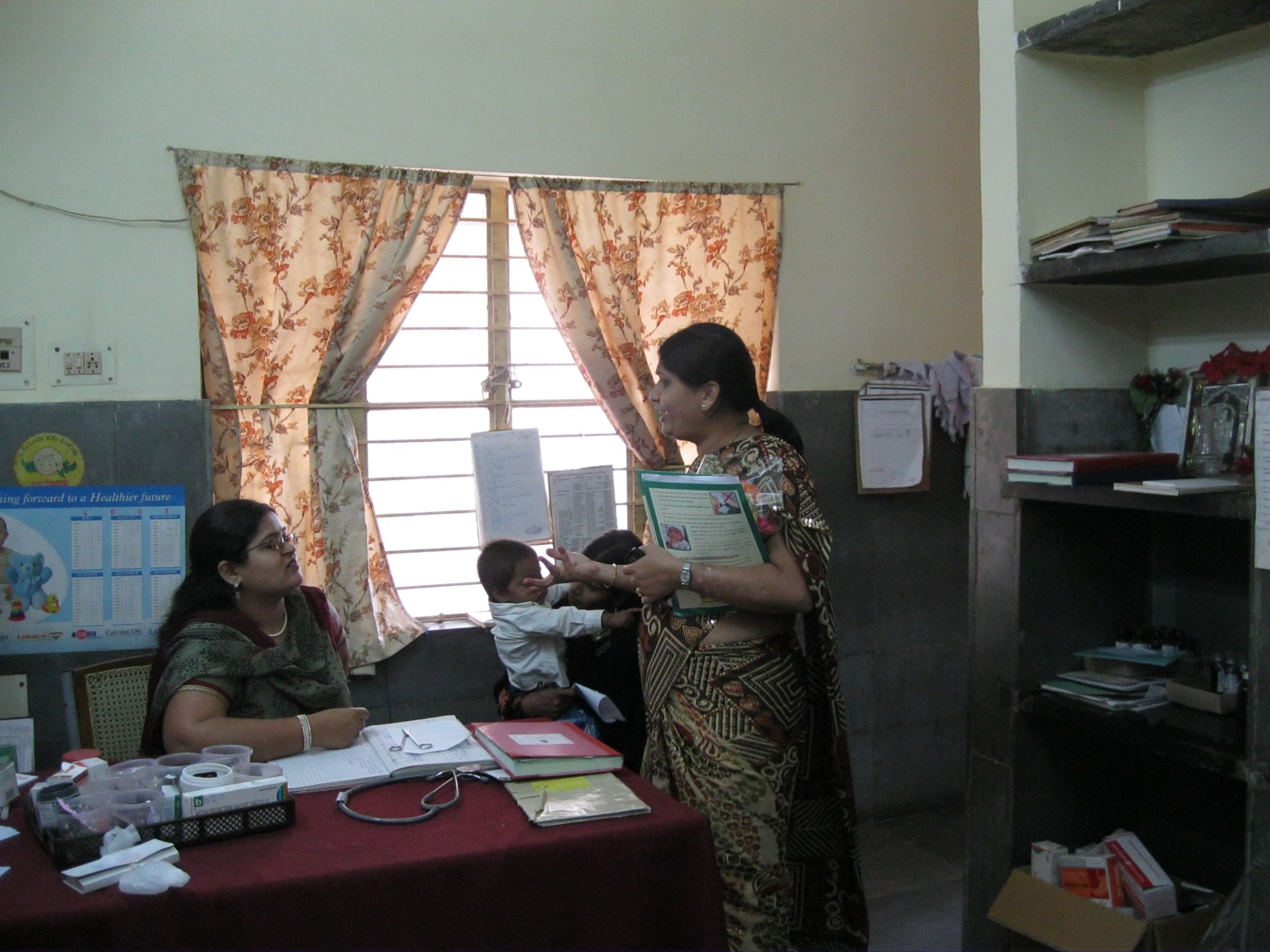
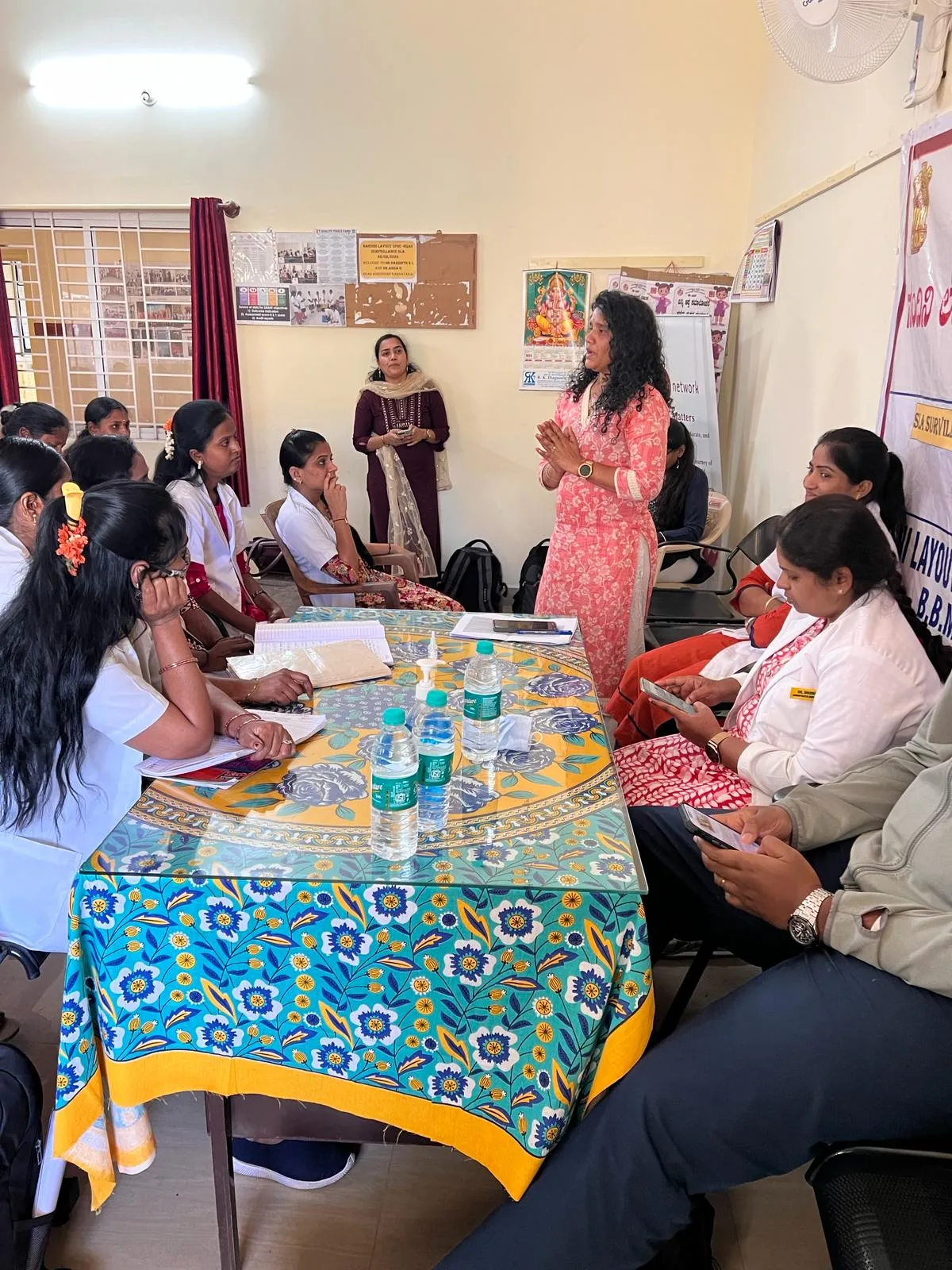
15th International Normal Labour and Birth Research Conference. “Narratives of care-seeking among vulnerable populations.”
Biennial Conference of the International Marcé Society for Perinatal Mental Health, NIMHANS. “Referrals in low resource settings: women’s experiences of birth.”
World Congress of Bioethics. “Ethical concerns in maternal health services in Bangalore.”
+91 88848 64036
Free support for mothers and caregivers
Copyright © 2026 All Rights Reserved. · Legal Notices